Communication
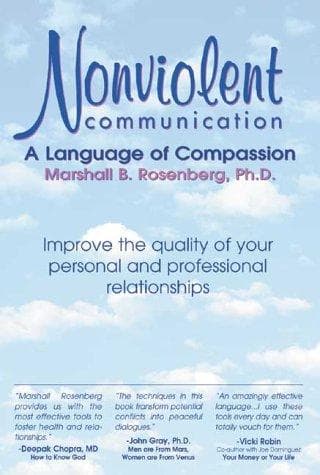
Nonviolent Communication
Marshall B. Rosenberg, PhD
4.3 (12000) 8 min read 5 key ideasPremium
A foundational communication framework for expressing needs and resolving conflict without blame, judgment, or coercion.
Key takeaways
- Compassionate Communication Requires Distinguishing Observation From Evaluation
- Identifying and Expressing Genuine Feelings Requires Distinguishing Feelings From Thoughts
- Connecting Feelings to Underlying Universal Human Needs Provides Deeper Communication Foundation
- Making Specific, Actionable Requests Rather Than Vague Demands Supports Genuine Resolution
- Consistent Practice of This Complete Four-Part Framework Transforms Habitual Communication Patterns
Action checklist
- State one observation today without evaluation, then share the feeling and need behind it
- Make one clear, doable request today instead of a vague complaint
Final takeaway
Rosenberg's closing invitation: consistently practice the complete four-part Nonviolent Communication framework — observation, genuine feelings, underlying needs, and specific actionable requests — understanding genuine transformation toward more compassionate, effective communication as a gradual process requiring this sustained combined practice.
Ratings & Reviews
No reviews yet — be the first to share your thoughts.