Fiction
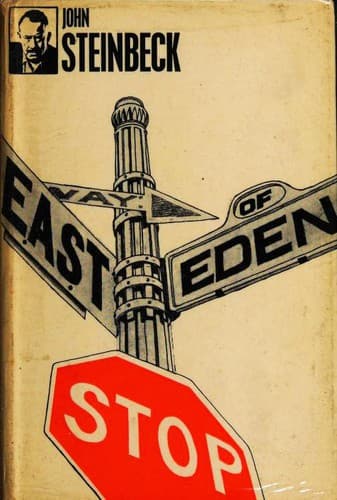
East of Eden
John Steinbeck
0.0 (0) 8 min read 5 key ideas
John Steinbeck's sweeping multigenerational novel follows the Trask and Hamilton families in California's Salinas Valley, reworking the biblical story of Cain and Abel to explore the novel's central Hebrew concept 'timshel' — that humans have the freedom to choose good over evil.
Key takeaways
- The Salinas Valley Sets the Stage for a Multigenerational Family Saga
- Cathy Ames Represents a Rare Portrait of Deliberate, Unrepentant Evil
- Caleb and Aron Reenact the Cain and Abel Pattern
- "Timshel" — Thou Mayest — Introduces the Novel's Central Philosophy of Free Will
- Adam's Final Word to Cal Delivers the Novel's Message of Redemptive Choice
Final takeaway
Steinbeck closes the novel on this note of hard-won hope, offering free will and moral choice as his answer to the novel's extended meditation on inherited evil and family repetition.
Ratings & Reviews
No reviews yet — be the first to share your thoughts.