Bookzworld
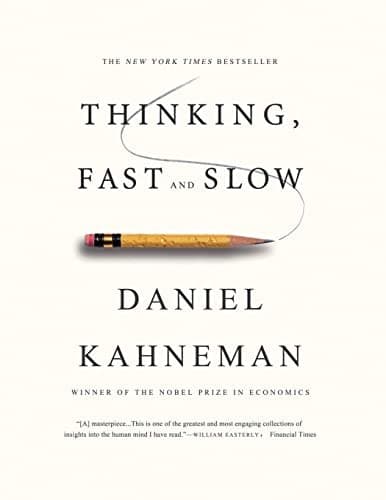
Thinking, Fast and Slow
Psychology

Thinking, Fast and Slow

Daniel Kahneman, PhD

4.1 (296) 10 min read 6 key ideas

A Nobel laureate psychologist explains two distinct modes of human thinking — fast, intuitive System 1 and slow, deliberate System 2 — and the systematic biases each produces.

Read the summary

Key takeaways

  • Two Systems of Thinking
  • Anchoring, Availability, and Representativeness
  • Loss Aversion and Prospect Theory
  • The Experiencing Self Versus the Remembering Self
  • Overconfidence and the Illusion of Skill
  • Improving Decisions Through Awareness

Action checklist

  • Slow down before one important decision today — engage System 2, not just gut reaction
  • Notice one cognitive bias (anchoring, availability) shaping a judgment today

Final takeaway

Kahneman's consistent, extensively researched argument throughout the book is that human judgment, while often efficiently effective through System 1's fast, automatic processing, is also systematically subject to predictable, well-documented errors — and that genuine improvement in decision-making quality typically requires structural and procedural safeguards, rather than individual awareness and willpower alone, to reliably engage System 2's more careful, deliberate reasoning capacity when it genuinely matters.

Ratings & Reviews

No reviews yet — be the first to share your thoughts.