Psychology
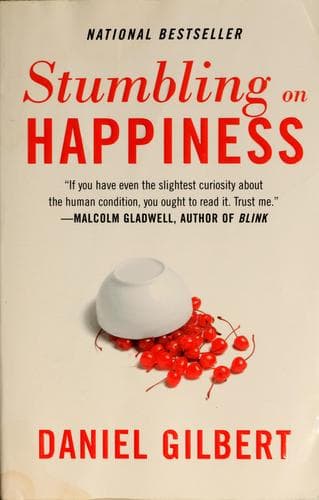
Stumbling on Happiness
Daniel Todd Gilbert
4.6 (336) 10 min read 6 key ideasPremium
A psychologist explains why humans are surprisingly bad at predicting what will actually make them happy, based on extensive research into affective forecasting.
Key takeaways
- We're Bad at Predicting Our Own Happiness
- Imagination's Systematic Blind Spots
- The Psychological Immune System
- Memory's Reconstructive Distortions
- Why Other People's Reports Might Help
- Navigating Life With Humble Prediction
Action checklist
- Before making a big decision, ask someone currently living the outcome you're considering how they actually feel
- Notice one prediction you made about your own future happiness, and check it against how you actually felt afterward
Final takeaway
Gilbert's consistent, extensively researched argument throughout the book is that human happiness prediction is systematically, predictably flawed through specific, identifiable mechanisms in both imagination and memory — meaning genuine wisdom in major life decision-making requires humility about this prediction's reliability, and openness to alternative approaches, like weighing others' actual reported experience, that research suggests may prove more accurate than pure introspective imagination alone.
Ratings & Reviews
No reviews yet — be the first to share your thoughts.