Self-Help
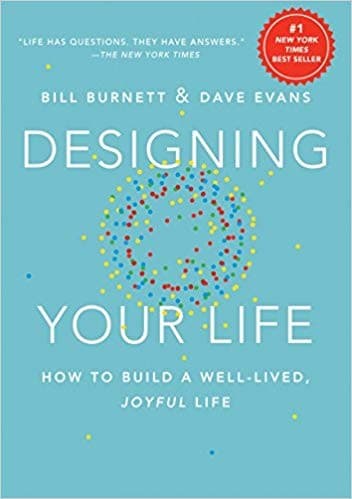
Designing Your Life
Bill Burnett, Dave Evans
4.3 (308) 9 min read 6 key ideasPremium
Two Stanford design professors apply design-thinking principles — normally used for products — to the problem of building a well-lived, joyful career and life.
Key takeaways
- Applying Design Thinking to Life
- The Good Time Journal
- Prototyping Life Paths Before Committing
- Reframing Gravity Problems
- Tolerating Ambiguity and Multiple Right Answers
- Designing Your Next Small Prototype
Action checklist
- Fill out a simple 'Good Time Journal' today, logging when you felt most engaged and energized
- Draw a quick 'life design' sketch of 2-3 alternative versions of your next 5 years
- Conduct one informal 'prototype conversation' this week with someone doing work you're curious about
Final takeaway
Design one small, low-risk prototype this month — a short trial, a conversation, a test project — for a path you're curious about but unsure of. Burnett and Evans's consistent argument throughout the book is that this kind of concrete, low-risk experiential testing, rather than abstract deliberation alone, provides the genuine information needed to design a life and career path that actually fits, rather than one based on unexamined or inaccurate assumption.
Ratings & Reviews
No reviews yet — be the first to share your thoughts.