Psychology
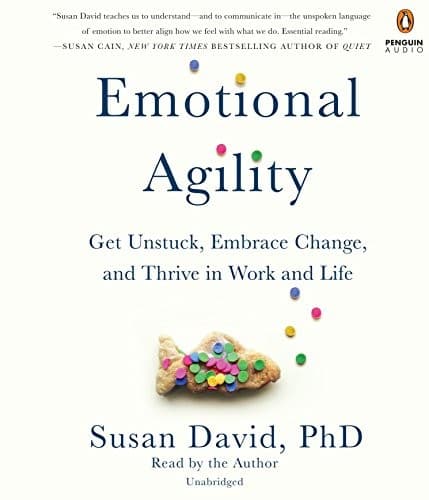
Emotional Agility
Susan David, PhD
3.9 (39000) 8 min read 5 key ideasPremium
A psychologist's framework for relating to difficult emotions and thoughts flexibly, rather than either suppressing them or being controlled by them.
Key takeaways
- Emotional Rigidity Undermines Wellbeing More Than Difficult Emotions Themselves
- Showing Up: Facing Emotions With Curiosity Rather Than Judgment
- Stepping Out: Creating Distance From Emotional Reactivity
- Walking Your Why: Acting According to Core Values
- Moving On: Building Small, Sustainable Habit Adjustments
Action checklist
- Name a difficult emotion you're feeling today with precise language, without judging it as good or bad
- Ask what this emotion might be signaling about a value you care about
- Take one small values-aligned action today despite the discomfort of the emotion
Final takeaway
David's closing invitation: apply this complete four-stage emotional agility framework — showing up, stepping out, walking your why, moving on — consistently across difficult emotional experiences, building genuine flexibility in your relationship to difficult emotions rather than either suppression or being consumed by them.
Ratings & Reviews
No reviews yet — be the first to share your thoughts.