Philosophy
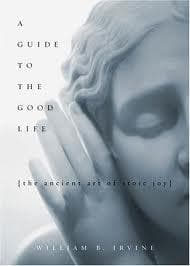
A Guide to the Good Life
William B. Irvine
3.9 (24000) 8 min read 7 key ideas
An accessible modern introduction to Stoicism as a practical toolkit — not a stiff-upper-lip cliché — for building resilience and contentment.
Key takeaways
- Stoicism as a Practical Operating System, Not Stiff-Upper-Lip Cliché
- Negative Visualization: Imagining Loss to Increase Gratitude
- The Dichotomy of Control: Sorting What's Yours to Influence
- Voluntary Discomfort: Building Tolerance Through Deliberate Practice
- Managing Insult and Social Disapproval Without Losing Composure
- Reframing Obstacles as Tests and Training
- Building a Sustainable, Lifelong Stoic Practice
Action checklist
- Practice negative visualization today: briefly imagine losing something you value, to build genuine appreciation
- Apply the dichotomy of control to one current worry — separate what you control from what you don't
- Practice voluntary discomfort once this week (skip a comfort, take a cold shower) to build resilience
Final takeaway
The closing message: Stoicism isn't a philosophy to intellectually agree with once, but an ongoing practical discipline requiring continued active application — like physical fitness requires continued exercise.
Ratings & Reviews
No reviews yet — be the first to share your thoughts.